

Aging and Exercise: You're Not "Over The Hill," You're in the Valley
We've got it upside down when it comes to age and physical activity

Walking through Hallmark card sections of various drugstores was significant entertainment during my 1980s childhood. (Looking at stuff as we walked by was our version of scrolling, and card sections were packed full of humorous memes.) One section that always stood out to me was “Over The Hill Birthday”—probably because, in contrast to all the pinks, reds, golds and blues, this section’s cards, invitations, and balloon packs were black and grey. You know, the color of tombstones and death. The decorations straight up featured skeletons and graveyards.
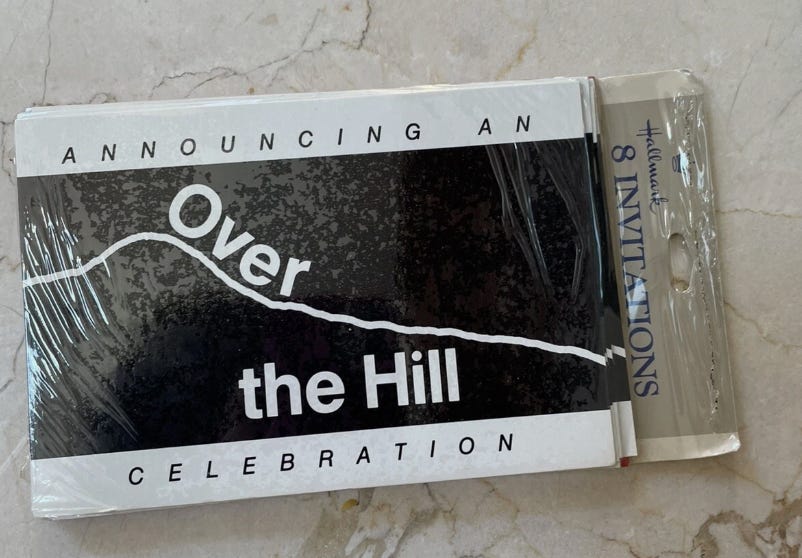
Many-a-card would feature a cartoon drawing of a 140-year old man on a broken-down bicycle at the top of a steep hill. The inside said something like “Happy Birthday! It’s all downhill from here!”
On one hand, the idea that aging is downhill makes sense. Our bodies don’t feel as good, some body parts don’t work as well as they used to, and the things we used to do to take care of ourselves stop working.
Cells in younger bodies divide quickly, but the division process slows down as we age. Imagine a printer easily firing off good copies with little issue when it’s new, but getting fewer copies right with time due to an increase printing errors—running out of paper, and low toner, paper jams—the machinery is getting a bit worn. Cells work similarly. As we get older, mitochondria accumulate damage, the DNA in our cells needs to be repaired, etc. Repairs take energy to deal with so there’s less energy available for cellular division.
Cells can also become senescent before they die. Senescent cells are no longer active, but they hang on, emitting an inflammatory signal to scavenger cells saying “I’m now problematic.” All cells either die or eventually become senescent. While this is a normal part of the aging process from birth, there are stresses that hasten a cell to either state, and not feeding your body the movement it requires is one of those stresses.
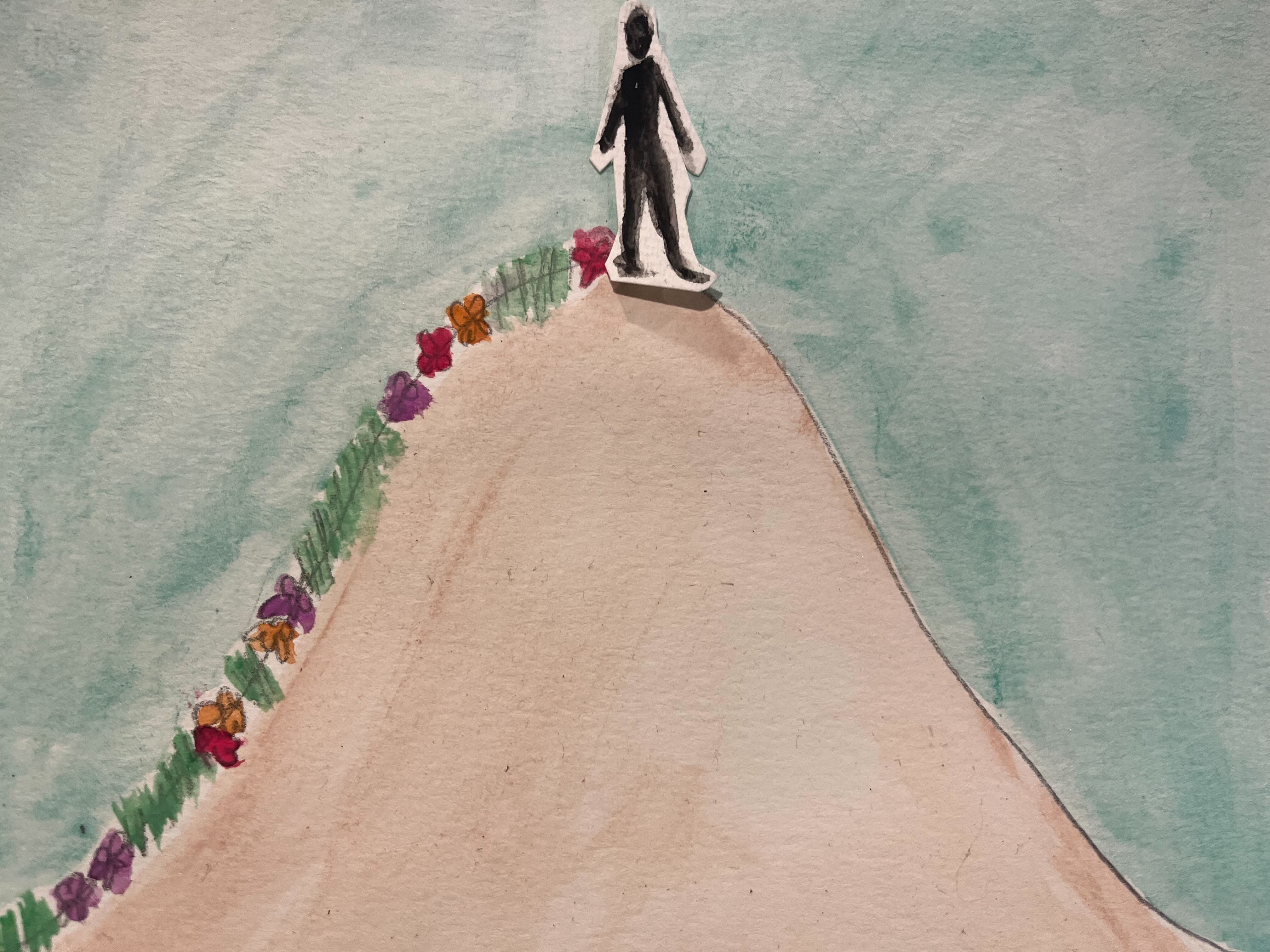
Slower division and more inactive cells make our bodies less responsive to exercise over time. Stuff we’ve always done to stay fit stops working. Said another way, it’s actually the first half of our lives that has us coasting downhill, drafting behind the good graces of our cells.
Midlife is when the uphill work of physical activity begins. If you think in pictures, flip the “over the hill” graph. You’re now in the valley, and if you want to keep going, it’s an uphill push from here.
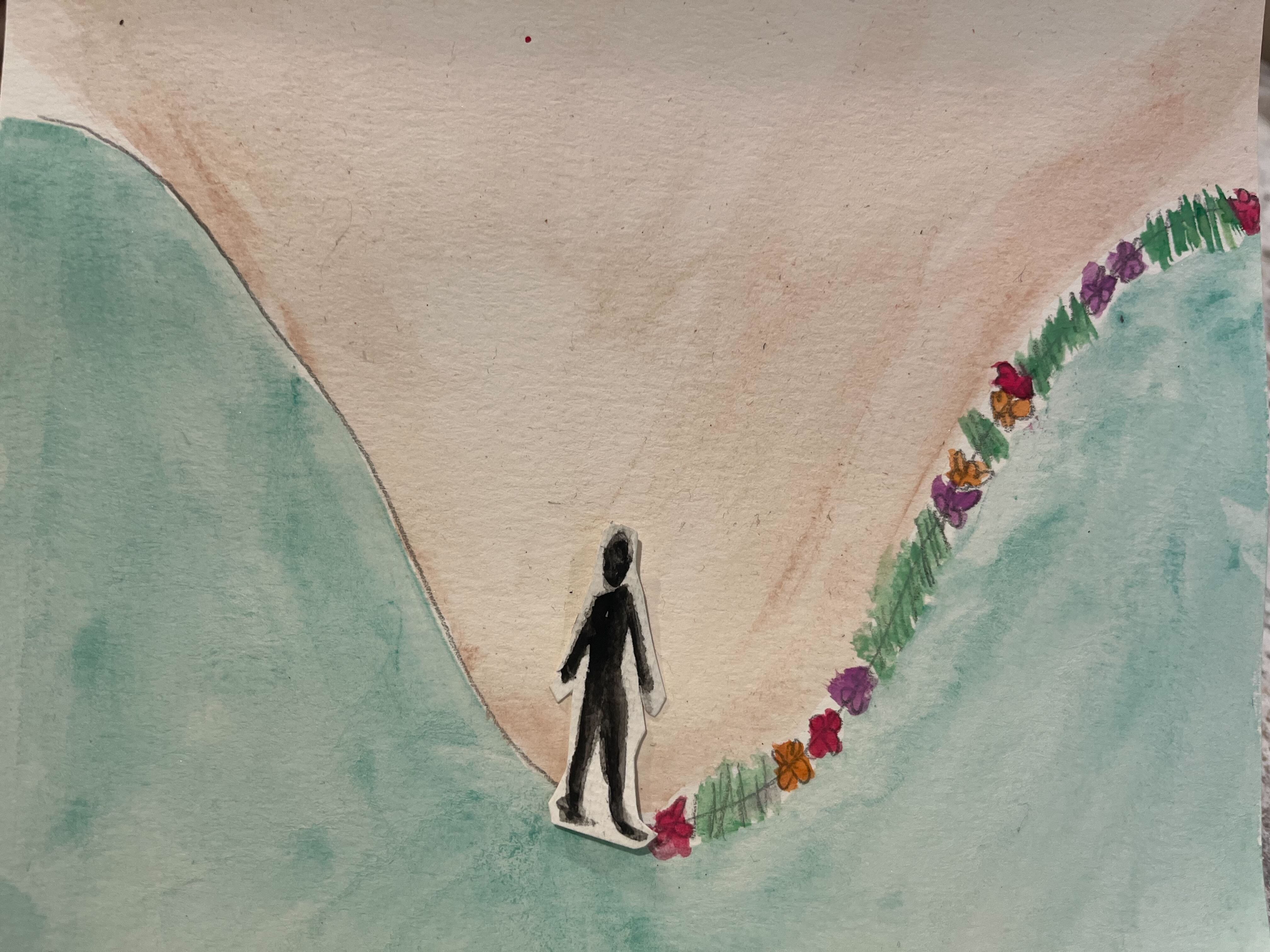
Staying strong and healthy on the cellular level means choosing to go uphill on and with purpose. What is “uphill movement?” Some examples:
Minding your alignment throughout the day
taking the stairs when you can
actually doing your physical therapy exercises
carrying things instead of wheeling them
actually walking uphill
While writing this essay, I took a break and volunteered to haul our heavy trashcans the three minute walk to the street for pick-up tomorrow. My driveway isn’t literally uphill; the “uphill” skill is recognizing the thousand times per days we feel the urge to skip the movement and opt to do it anyway.
My podcast co-host, biologist Dr. Jeannette Loram, and I explore this topic in depth on the latest episode of Move Your DNA. Have a listen below or wherever you get your podcasts.
In middle age, you are not “over the hill”—you are actually at the bottom of a valley, and staying strong and healthy means choosing to go uphill on purpose. Jeannette and I unpack the difference between chronological age and biological aging, why modern life may be speeding up the aging process, and how movement and exercise positively influence the cellular “hallmarks of aging.” We explore why exercise needs to increase with age (even when life gets busier and energy feels lower), and how reframing discomfort can make consistency possible—so you can extend not just your lifespan, but your healthspan, too.
Or, watch it on YouTube!
Book recommendations:
Dynamic Aging—Includes specific exercises to help if you want to move more, but are feeling too stiff/out of balance
I Know I Should Exercise, But…—Learn to deal with they psychology of discomfort when it comes to choosing movement
Love the drawing, and also the reminder to locals to that it's trash day.
Love this! At 78 I know exactly what you mean.